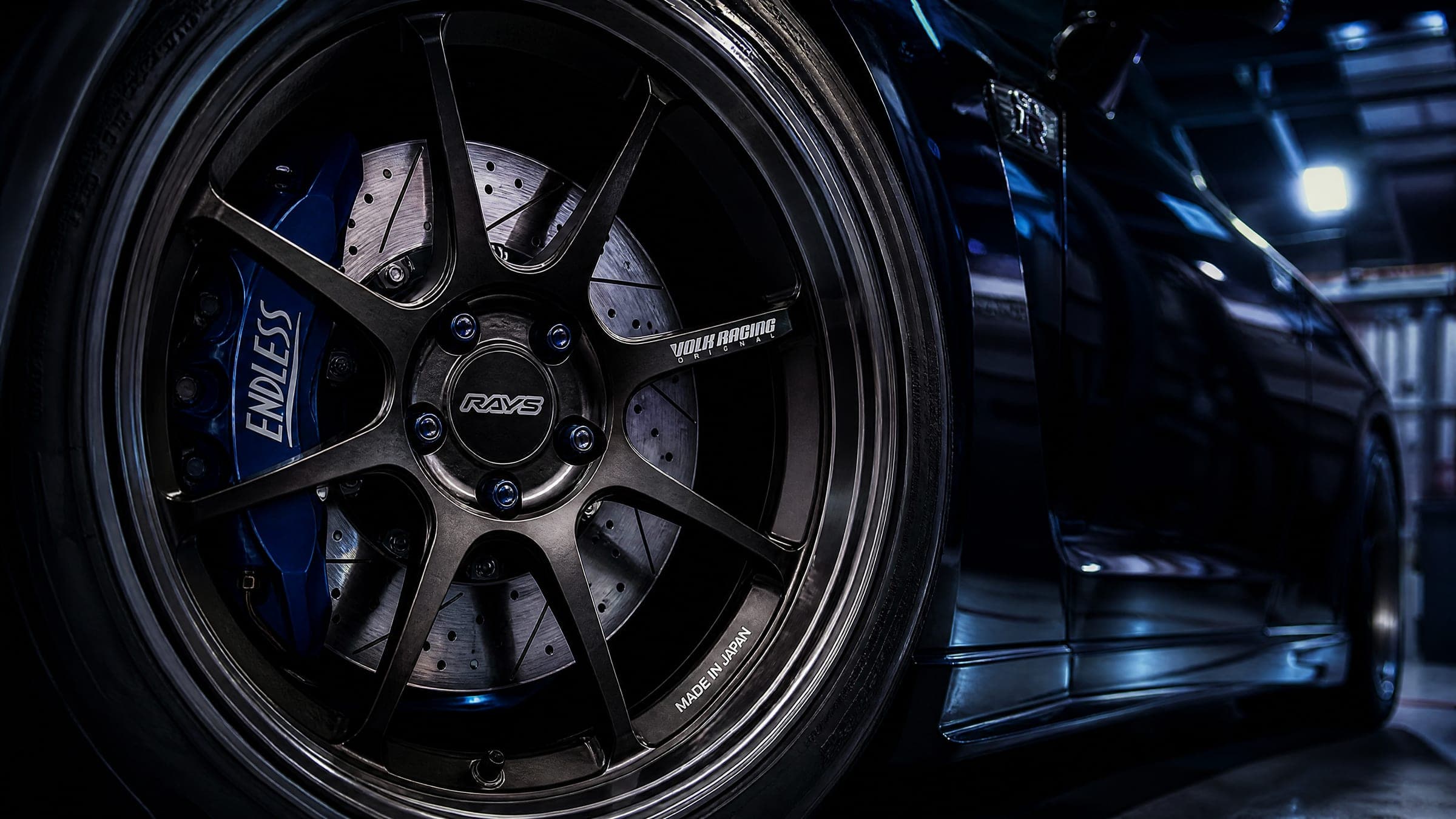
When Should You Replace Your Brake Pads? A Mechanic Explains
Squealing, grinding, or a longer stopping distance? Your brakes are telling you something. Here is how to know when it is time — and what happens if you wait too long.
Brake pads are designed to wear down — that is literally their job. The question is knowing when they have worn down enough to need replacement, and understanding what happens to your car (and your safety) if you leave it too long.
How Long Do Brake Pads Last?
On average, front brake pads last between 30,000–70,000 km and rear pads between 50,000–100,000 km. But that range is wide for a reason: driving style, vehicle weight, brake brand, and the type of driving you do (stop-start Sydney suburbs vs motorway) all significantly affect wear rate.
At every service, we measure pad thickness on the hoist. Most manufacturers specify 3 mm as the replacement threshold — at that point, you have time to book the job without urgency. At 2 mm, it is urgent. Under 1.5 mm, you are metal-on-metal and causing rotor damage that multiplies the cost of the repair.
Warning Signs to Listen and Feel For
- Squealing or high-pitched squeaking — the wear indicator, a small metal tab, is touching the rotor
- Grinding or metal-on-metal sound — pad material is gone; you are now rotor-on-caliper
- Brake pedal feels soft, spongy or goes lower than usual
- Longer stopping distances than you are used to
- Steering wheel or brake pedal vibrates when braking
- Car pulls to one side under braking
Do not ignore the squeal
Most modern pads include a small metal wear indicator that creates a deliberate squealing sound as pads approach their limit. This is a few-weeks warning — not an emergency. Grinding means the warning was missed and rotors are now at risk.
What Happens If You Ignore It
New pads on already-scored rotors often will not seat properly, leading to vibration and reduced braking performance. Once a rotor is scored deeply enough, it needs machining (if there is enough material left) or full replacement. What was a $300 pad replacement can become a $700–$1,000 job once rotors are factored in.
Beyond cost, driving on worn pads increases stopping distance — in an emergency stop at 60 km/h, a few extra metres matters enormously.
Pads vs Rotors: Do I Need Both?
Not always. We measure rotor thickness and surface condition at every service. If the rotors are within specification and not scored, new pads can go straight on. If they are margined but machining is possible, we can machine them for a fraction of the replacement cost. We will show you the measurements and explain the options before any decision is made.
Getting Your Brakes Checked
Brake inspections are included in every logbook service at Elite Auto Mechanical. If you are concerned about your brakes between services — or it has been more than 12 months since someone looked at them — bring the car in for a free brake measurement. It takes 20 minutes on the hoist and gives you a clear picture of where your pads and rotors sit.
Keep reading

Book today
Your car deserves a workshop that explains itself.
Book online in under a minute, or call the team in Marsden Park. We quote before we touch a thing.